
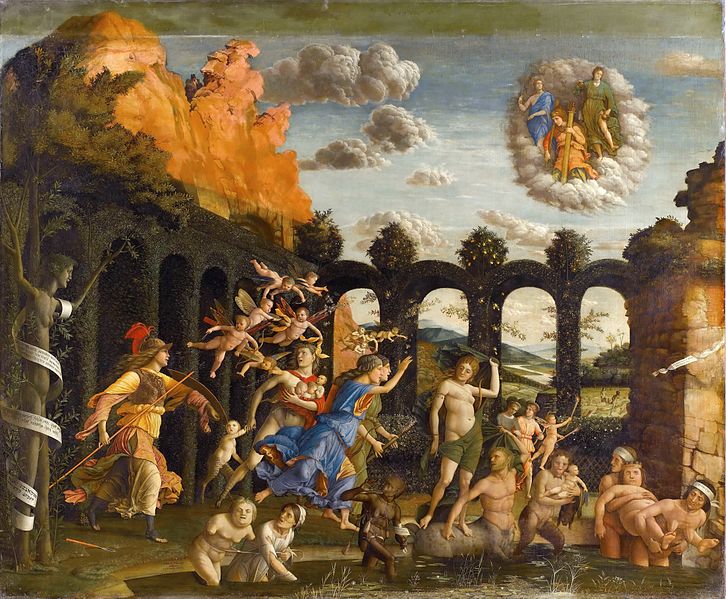
Author: Andrea Mantegna
Title: Pallas Expelling the Vices from the Garden of Virtue
Genre: mythological painting
Year: 1499
Medium: oil on panel
Location: Louvre Museum

Author: Andrea Mantegna
Title: Pallas Expelling the Vices from the Garden of Virtue
Genre: mythological painting
Year: 1499
Medium: oil on panel
Location: Louvre Museum
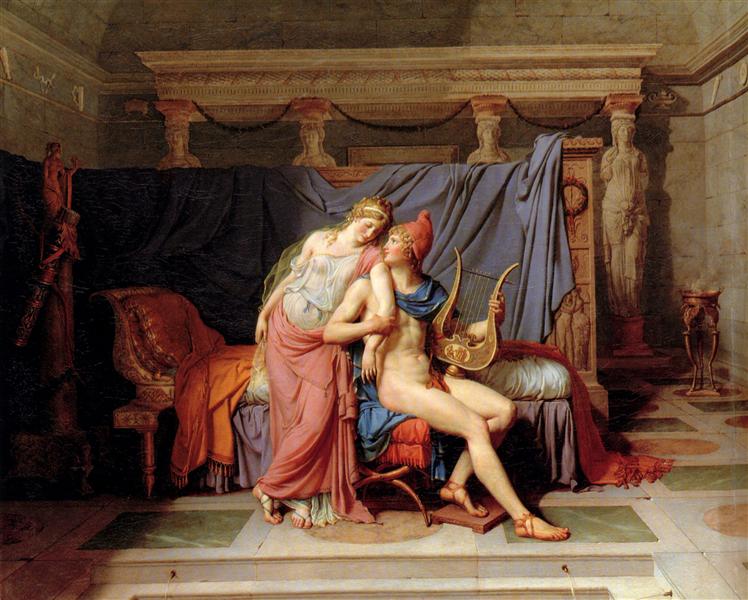
Title: Paris and Helen
Author: Jacques-Louis David
Year: 1788
Style: Neoclassicism
Genre: mythological painting
Media: oil, canvas
Location: Louvre, Paris, France
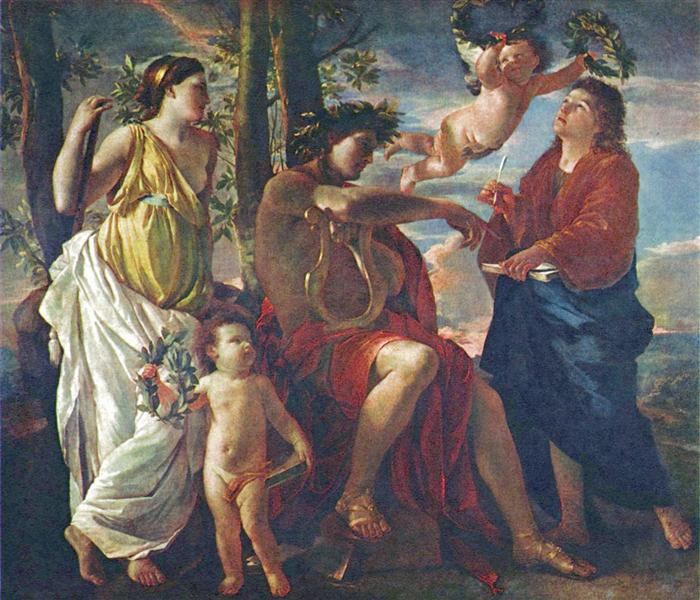
Title: The Poet’s Inspiration
Author: Nicolas Poussin
Year: 1629
Style: Classicism
Genre: mythological painting
Media: oil, canvas
Location: Louvre, Paris, France
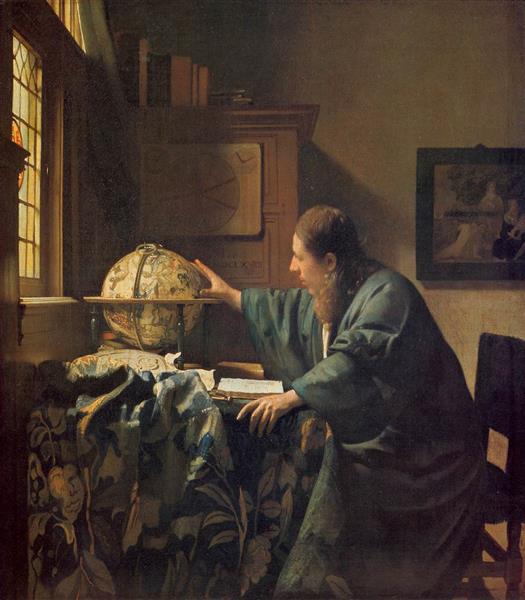
Title: The astronomer
Author: Johannes Vermeer
Year: 1668
Style: Baroque
Media: oil, canvas
Location: Louvre, Paris, France
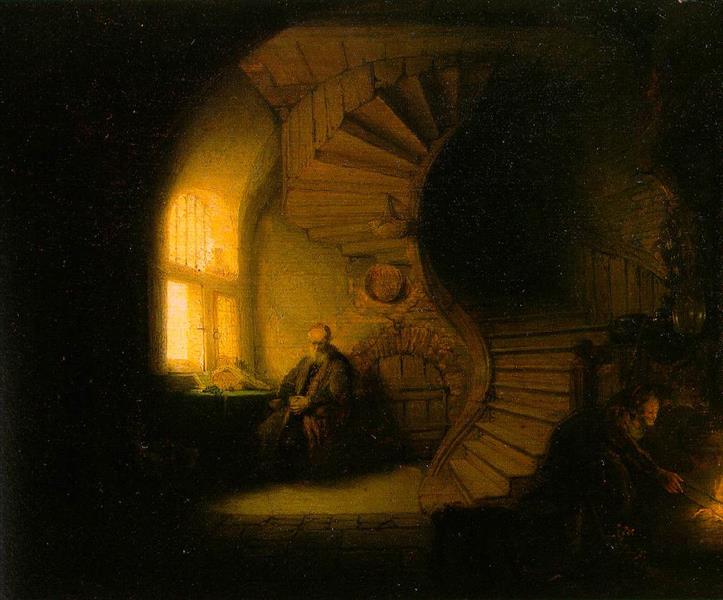
Title: Philosopher in Meditation
Author: Rembrandt
Year: 1632
Style: Baroque
Media: oil , board
Location: Louvre, Paris, France
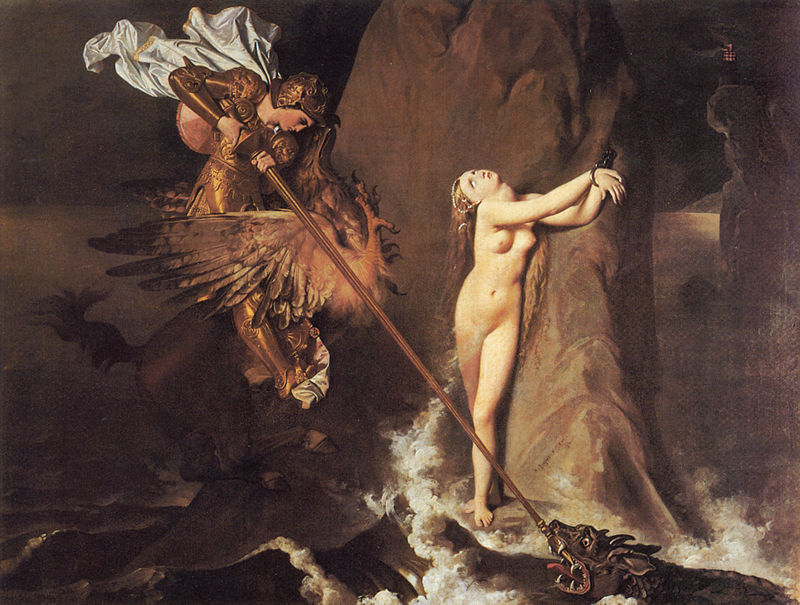
Title: Roger Freeing Angelica
Author: Jean Auguste Dominique Ingres
Year: 1819
Period: Neoclassicism
Medium: Oil paint
Location: Louvre Museum
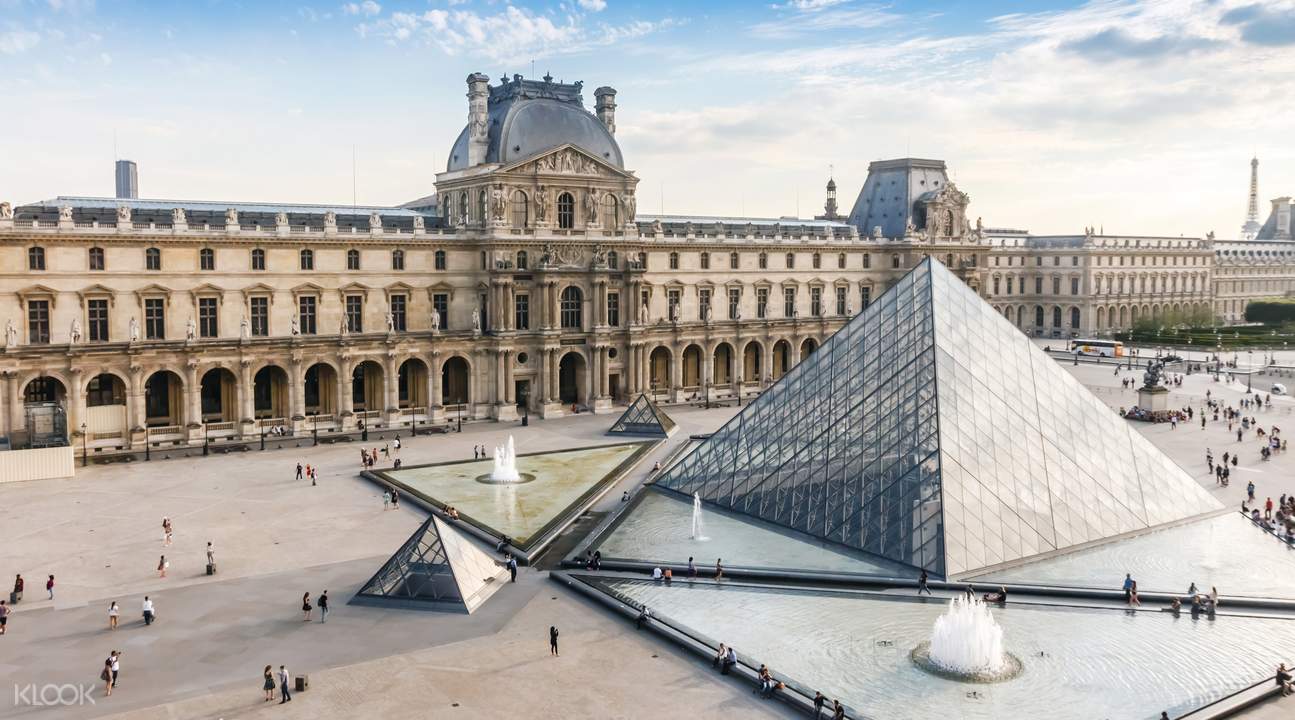
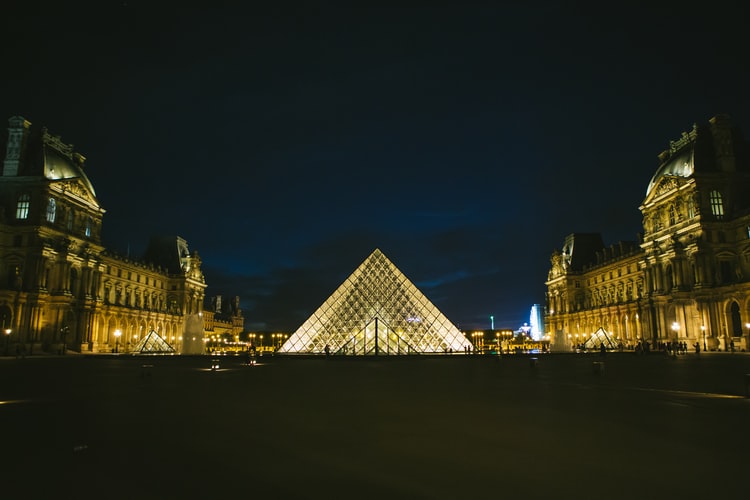
The Louvre is the world’s largest museum and houses one of the most impressive art collections in history. The magnificent, baroque-style palace and museum — LeMusée du Louvre in French — sits along the banks of the Seine River in Paris.
The history of the Louvre began toward the end of 1.100 A.D. in the area where there was a fortress, which later was converted into the royal residence and the secondary residence of Charles V in the 14th century. In the Renaissance period the Louvre became the main seat of the kings of France, and was Catherine de’Medici who enlarged and transformed the building. The Louvre lost its function of royal residence at the time of Louis XIV, who moved his court to the new Palace of Versailles. Since 1793 at the Louvre was created the Muséum Central des Arts, renamed in 1803 the Musée Napoléon.
So, originally the building of the Louvre wasn’t a museum, but became a museum only during the Enlightenment, when artists and craftsmen spent their time admiring and copying the works of the ancients. In the late 18th century and right after the French Revolution, began the acquisition of a large number of works that added to the initial and casual collection of the kings of France, to which were added the works of art coming from the most important European art collections and which arrived in France as spoils of the successful military campaigns of Napoleon.
The Louvre Museum is the result of a long work, started two centuries ago, made of collecting and organizing works and finds in order to create the most completed overview ever of what man has created from the Neolithic to nowadays.
 European Culture