
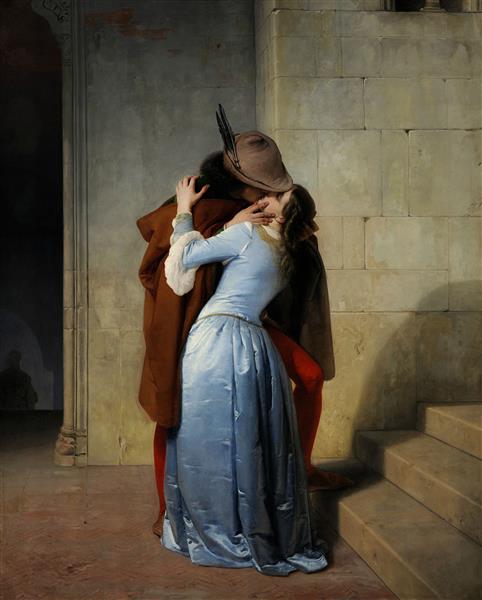
Title: The Kiss
Author: Francesco Hayez
Year: 1859
Style: Romanticism
Media: oil, canvas
Location: Palazzo Brera – Milan, Italy

Title: The Kiss
Author: Francesco Hayez
Year: 1859
Style: Romanticism
Media: oil, canvas
Location: Palazzo Brera – Milan, Italy

Title: Venus in the Forge of Vulcan
Year: 1611
Author: Jan Brueghel (I) and Hendrick van Balen (I)
Medium: oil on panel
Location: Galleria Doria Pamphilj – Rome, Italy
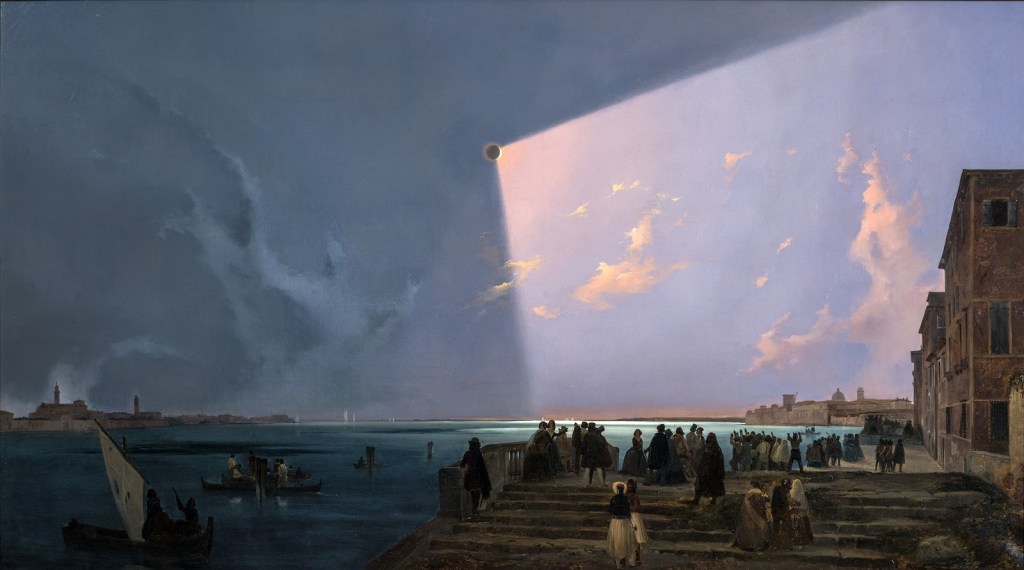
Title: The Eclipse of the Sun in Venice
Author: Ippolito Caffi
Year: 1842
Medium: oil on canvas
Location: Gallerie d’Italia ; Milan

Title: Primavera
Author: Sandro Botticelli
Year: 1478
Style: Early Renaissance
Media: panel, tempera
Location: Uffizi Gallery – Florence, Italy
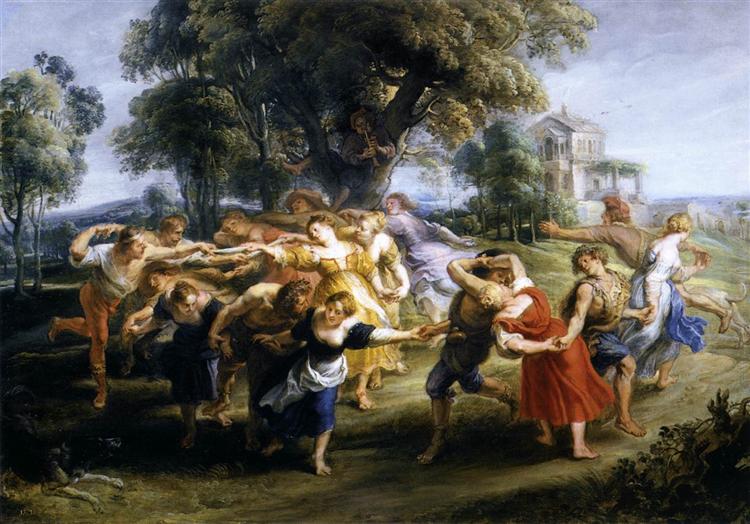
Title: Dance of Italian Villagers
Author: Peter Paul Rubens
Year: 1636
Style: Baroque
Media: oil, board
Location: Museo del Prado, Madrid, Spain

Title: Romulus and Remus
Author: Peter Paul Rubens
Year: 1615
Genre: mythological painting
Medium: oil on canvas
Location: Capitoline Museums – Rome , Italy
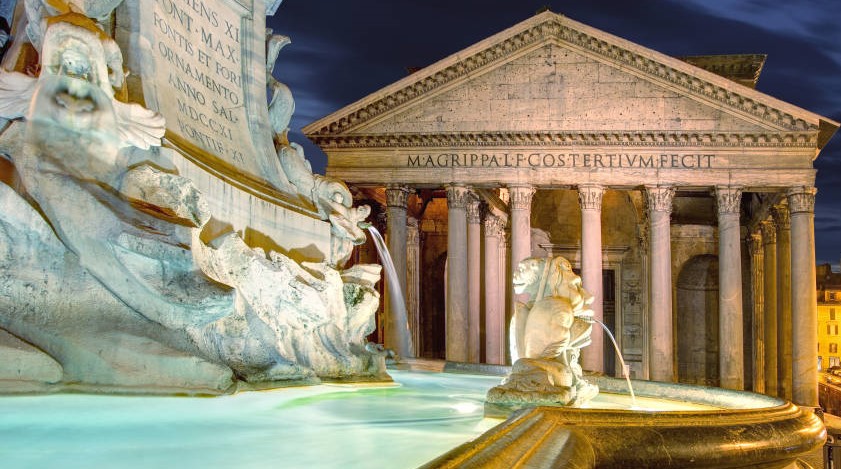
The Pantheon was built as a Roman temple and completed by the emperor Hadrian around 126 A.D. The name “Pantheon” comes from the Greek, meaning “honor all Gods” and this exactly was its purpose. As with most of the ancient monuments in Rome also the Pantheon has more than one story to tell. Most historians believe that Emperor Augustus’ right hand, Agrippa, built the first Pantheon in 27 BC, but the building burned down in the great fire of 80 AD and was rebuilt by Emperor Domitian. But again the temple was struck by lightning and burned down once more in 110 AD. The Pantheon as we know it today was finally built in 120 AD by Emperor Hadrian. In 609 A.D the Pantheon was transformed into a church which might be the reason that it was saved from being destroyed during the Middle Ages. And yes, there are Sunday Masses for everyone to join until today. Truly fascinating are the 16 massive Corinthian columns (12m/39 ft tall) at the entry and the giant dome with its hole in the top, also called “The eye of the Pantheon”, the largest unreinforced concrete dome in the world and considered a great architectural achievement. The first king of unified Italy, Vittorio Emmanuelle II is buried in the Pantheon and so is his son, King Umberto I as well as the famous Renaissance painter Raphael.
[SOURCE:www.wostphoto.com/rome-pantheon]

Title: Pallas and Centaur
Author: Sandro Botticelli
Year: 1482
Style: Renaissance
Genre: mythological painting
Location: Uffizi Gallery, Florence, Italy

Title: Medusa
Author: Caravaggio
Year: 1597
Style: Baroque
Genre: mythological painting
Media: oil, canvas
Location: Uffizi Gallery, Florence, Italy
Medusa was a Gorgon monster, a terrifying female creature from the Greek Mythology. While descriptions of Gorgons vary across Greek literature, the term commonly refers to any of three sisters who had hair of living, venomous snakes, and a horrifying visage that turned those who beheld it to stone. Traditionally, while two of the Gorgons were immortal, Stheno and Euryale , their sister Medusa was not, and was slain by the mythical hero Perseus, the legendary founder of Mycenae and of the Perseid dynasty. According to the story, she was killed by Perseus, who avoided direct eye contact by using a mirrored shield. After Medusa’s death, her decapitated head continued to petrify those that looked at it.
[SOURCE:wikiart.org]
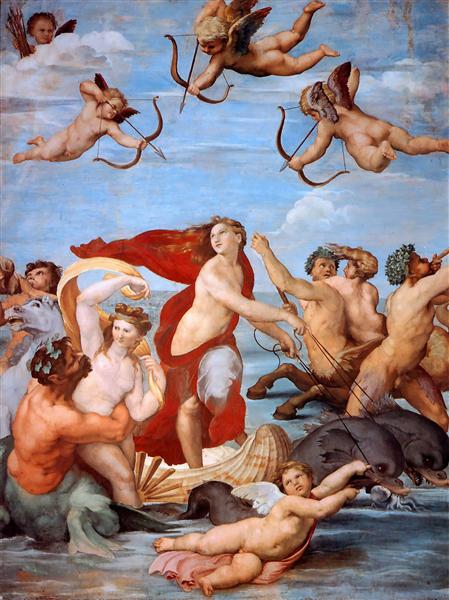
Title: The Triumph of Galatea
Author: Raffaello Sanzio da Urbino
Year: 1512
Style: High Renaissance
Genre: mythological painting
Location: Villa Farnesina, Rome, Italy
 European Culture